

To Build a Resilient Generation, We Need Less Screen Time and More Childhood
The government’s announcement earlier this week to ban social media for under-16s is a significant recognition of the risks that the online world poses to young people and their physical and mental wellbeing.
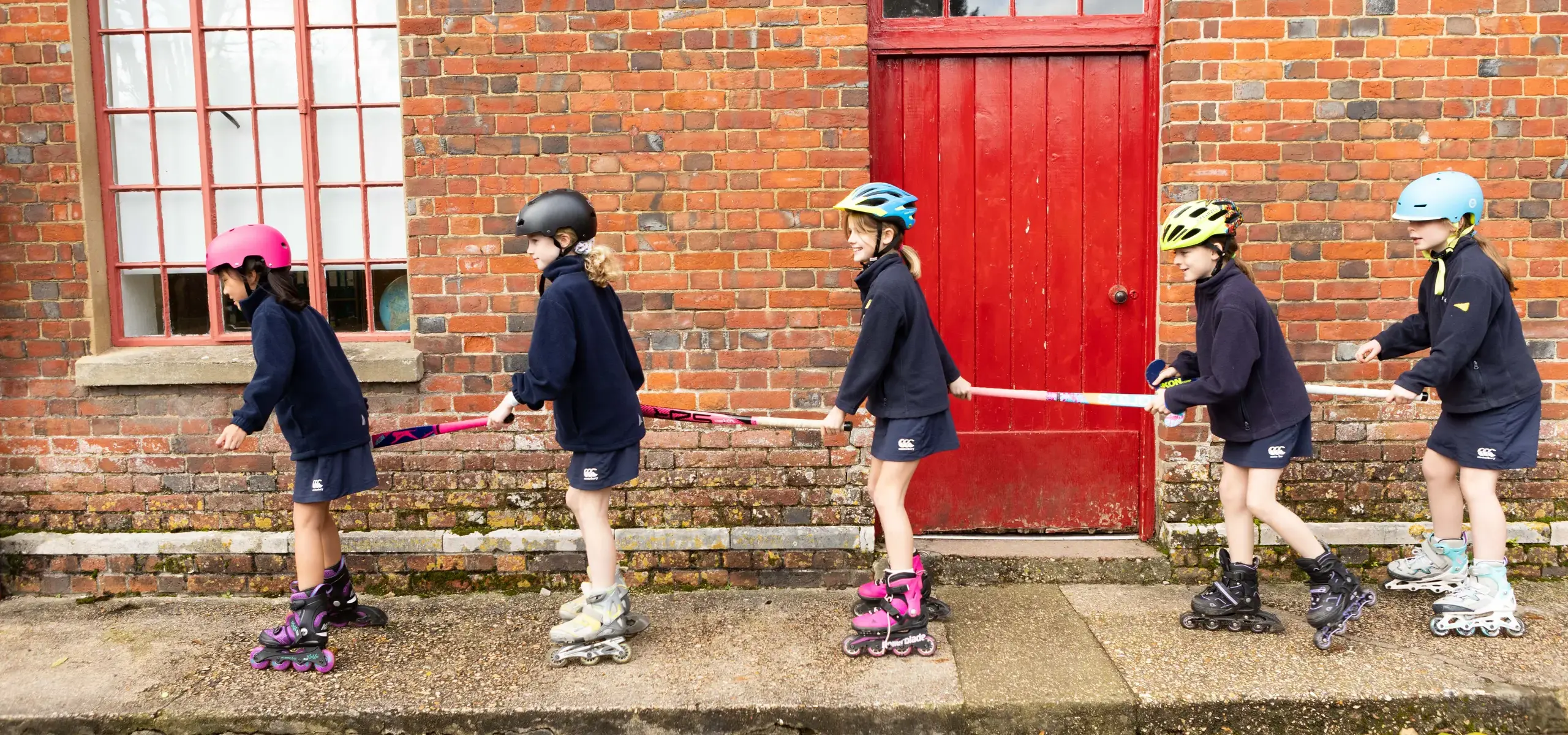
Hanford’s ethos has long been built around the importance of play, time outdoors and genuine connections with others, and this approach is deliberately embraced by all those in our community. We know that children thrive when they develop meaningful skills and relationships, and this is best achieved through time spent together IRL (in real life). A young person’s confidence is built through the development of important social and practical skills, rather than through the superficial counting of ‘likes’. In the modern world, it is those possessing real knowledge alongside sophisticated soft skills who will stand out amongst their peers.
The publication of Haidt’s The Anxious Generation heightened society’s discussions around the impact of time spent online. Yet taking steps to remove access to smartphones and devices can feel both daunting and authoritarian for parents. A more positive approach - exploring the benefits of alternatives to time online - is proactive and can lead to constructive conversations with young people.
Whether we agree or not with the details of the government’s plans, it is a statement of intent: we need to protect young people from potential harm. Life is certainly not risk-free, but fearing outdoor play because it is perceived as dangerous, while replacing it with endless hours of doomscrolling on screens, seems misplaced. I hope this legislation will go some way towards helping us reassess where the real risks lie for our children.
As a society, we have an opportunity to explore alternatives to screens, devices and EdTech (educational technology), both in the classroom and in young people’s free time. I passionately believe that more schools should follow Hanford’s example and embrace opportunities for children to learn without a reliance on technology.
This does not mean being a digital Luddite, however. Without access to technology in their free time, girls are still able to build important digital skills during IT lessons and through project work. This can be done in a meaningful, deliberate and planned way, rather than through a digital ‘free-for-all’, where the newest, shiniest app is adopted simply because it is marketed most effectively to schools.
The positive impact on young people’s mental health when they are not online, but instead developing meaningful skills and confidence, is profound. At Hanford, thankfully, we buck societal trends in this area because of our approach. A NHS report into the Mental Health of Children and Young People in England (2023) found that one in five children aged 8 to 16 had a probable mental health disorder, with anxiety the most prevalent. The causes of this are complex, and we must recognise that. But by allowing children to enjoy an extended childhood that is not curtailed by social media’s demands for perfection, materialism and superficiality, we are helping to build more confident young people. They develop greater resilience, curiosity and empathy, and are better equipped to tackle the challenges that come their way, as no doubt they will.
So, happily, it seems that where Hanford has gone, the government is following. Perhaps next there will be legislation to make tree-climbing a requirement in all schools!
Sophie Blewitt,
Head, Hanford Prep
Where Next?